

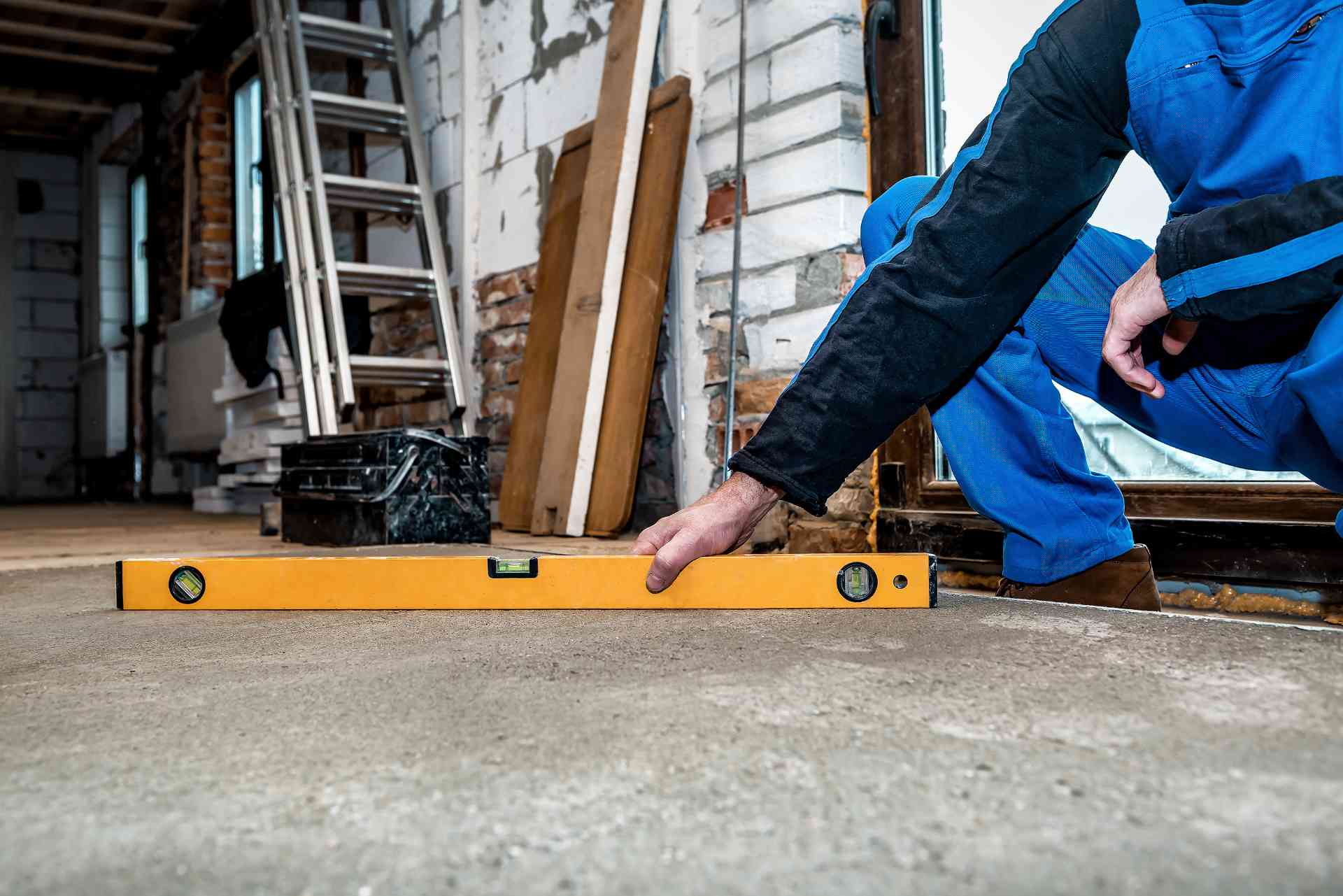
Uneven floors are a common issue in older homes, basements, and remodels, and they can make choosing new flooring feel overwhelming. Dips, slopes, and high spots affect how flooring locks together, how it wears over time, and its appearance once installed. The good news is that many modern materials are designed to handle imperfect subfloors, allowing for a smooth, attractive finish even when the surface underneath isn’t perfect. Understanding which flooring material is right for uneven floors helps you avoid long-term problems and choose an option that maintains aesthetic appeal while staying stable and comfortable for years.
In this guide, you’ll learn what typically causes uneven floors, when flooring can be installed over uneven surfaces, and which materials perform best in these situations. You’ll also see which flooring types to avoid, how to recognize signs of underlying issues, and when to bring in a home improvement professional to help you move forward with confidence.
Can You Install Flooring Over Uneven Floors?
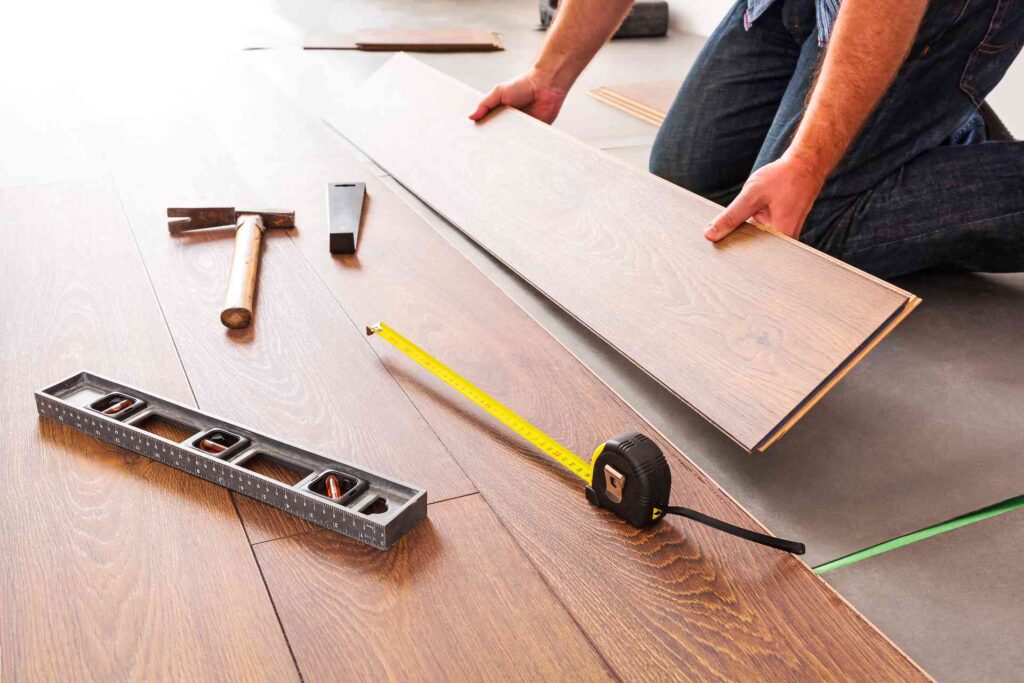
You can often install new flooring without having to fix uneven floors, but the outcome depends on the severity and type of unevenness. Slight dips, low spots, gentle waves, or small height variations can often be handled by flexible flooring materials or floating installations designed to bridge minor imperfections. These options lock together on top of your subfloor, so they don’t rely on the surface being perfectly flat to stay stable.
However, larger issues, such as deep depressions, sharp high spots, or noticeable slopes, usually require some preparation before new flooring is installed. Uneven areas can cause planks to separate, tiles to crack, or carpet to wear out prematurely. When in doubt, a quick evaluation from a flooring specialist can help you decide whether a simple material choice will solve the problem or whether you need a level subfloor to proceed.
Common Causes of Uneven Floors
Uneven floors can come from simple age-related wear or from deeper issues in the structure of your home. Understanding the source helps you choose flooring that will perform well and determine whether any repairs are needed before installation.
- Natural settling: As homes age, framing and structural components shift, creating dips or slight slopes. As a result, an old house will naturally have less level flooring than a newer home.
- Moisture damage: High moisture levels caused by leaks, humidity, or poor ventilation can weaken or rot subfloor materials, causing them to sag or soften.
- Subfloor wear or deterioration: Old plywood, oriented strand board (OSB), or poorly maintained subfloor materials can break down and lose their ability to stay level.
- Foundation movement: Soil shifts, drainage issues, or seismic activity can cause the foundation to rise or sink unevenly.
- Improper installation: Past renovations that skipped leveling or used the wrong subfloor materials can leave behind bumps, ridges, and height changes.
- Pest or termite damage: Structural wood weakened by insects can create localized sinking or uneven sections.
- Joist or support issues: Damaged, undersized, or sagging joists and beams can cause the floor above them to dip or flex.
- Concrete slab imperfections: Cracks, settling, or poor finishing on a slab foundation can create uneven concrete surfaces in basements and ground-level rooms.
What Is the Best Flooring for Uneven Floors?
Some types of flooring handle slight imperfections better than others. The options below are the most reliable choices when your subfloor isn’t perfectly level, offering flexibility, stability, and long-term performance.
| Flooring Type | Uneven Floor Performance | Flexibility | Leveling Required | Installation Method | Cost Range | Best For | Durability |
|---|---|---|---|---|---|---|---|
| Luxury Vinyl Plank | Good | High | Low to Moderate | Floating | $$ | Mild dips and waves | High |
| Sheet Vinyl | Good | High | Low to Moderate | Glue-down or loose lay | $ | Budget projects, subtle unevenness | Medium |
| Carpet | Good | High | Low | Stretch-in with padding | $–$$ | Bedrooms, living areas, comfort-focused spaces | Medium |
| Engineered Wood (Floating) | Fair | Medium | Moderate | Floating | $$–$$$ | Slight unevenness where wood look is desired | High |
| Laminate Flooring | Fair | Medium | Moderate | Floating | $–$$ | Light unevenness in active household spaces | High |
Luxury Vinyl Plank
Luxury vinyl plank (LVP) is one of the most forgiving vinyl floor options for mildly uneven subfloors. Flexible, layered planks lock together, creating a stable, smooth surface that slightly bends over small dips and waves without needing a perfectly flat subfloor. Its main limitation is depth; while LVP works well over minor imperfections, deeper depressions or sharp high spots can still cause movement or separation, which may require some prep work before installation.
Sheet Vinyl
Sheet vinyl is a single, continuous material that naturally conforms to gentle waves or subtle dips in the subfloor, making it a reliable option for slightly uneven surfaces. Its flexibility helps create a smooth, full-coverage look without the need for individual planks or tiles to lock together. But it cannot bridge sharp high spots or deeper depressions, and any pronounced unevenness may telegraph through the material, so the subfloor still needs to be reasonably smooth for the best results.
Carpet
Carpet is one of the most forgiving, stress-free flooring choices for uneven surfaces because the combination of carpet and padding can easily mask minor dips, waves, and inconsistencies. The cushioning effect provides a comfortable, stable feel underfoot, even when the subfloor isn’t perfectly flat. However, significant slopes or large depressions may still be noticeable, and overly uneven areas can lead to premature wear or visible stretching over time, especially in high-traffic areas.
Floating Engineered Wood
Floating engineered wood flooring offers more stability and adaptability than real wood, making it a practical option for floors with mild unevenness. Its layered construction resists warping, and the floating installation allows the planks to sit comfortably over small dips or gentle waves without relying on nails or glue. However, engineered wood still requires a reasonably flat surface; pronounced high spots or deep low areas can cause the planks to flex, squeak, or separate, so moderate leveling may be needed before installation.
Laminate Flooring
Laminate flooring can handle slight unevenness because it typically installs as a floating floor, allowing the planks to lock together and rest above minor dips or subtle waves. Its rigid core provides a sturdy material that helps maintain a smooth walking surface. However, laminate is less flexible than vinyl, so deeper depressions or sharper high spots can cause gaps, clicking sounds, or premature wear. When imperfections are moderate or severe, some leveling work is usually required to ensure long-term performance.
Flooring Options To Avoid on Uneven Surfaces
Some flooring materials require a perfectly flat, stable foundation. Installing these options over uneven surfaces can lead to cracking, shifting, hollow spots, noise, or premature failure. The list below reflects major flooring types that perform poorly when the subfloor isn’t properly leveled.
- Solid hardwood: Most hardwood flooring cannot flex or adjust to dips or high spots, so even minor unevenness can cause boards to shift, separate, or squeak over time.
- Stone polymer composite rigid core vinyl: Stone polymer composite (SPC) vinyl is very stiff and will not bend over imperfections, making it prone to clicking, gapping, and edge pressure when installed on an uneven subfloor.
- Large-format tile: Oversized tiles require a perfectly flat base because any dip or ridge beneath them creates stress points that lead to lippage or cracking.
- Natural stone tile: Materials like marble, slate, and travertine are extremely brittle, and uneven subfloors can cause cracking, uneven grout lines, or long-term structural failure.
- Ceramic and porcelain tile installed without leveling: Even smaller tiles cannot be installed properly over uneven surfaces without a leveling compound, as the subfloor variations will cause loose tiles or uneven surfaces.
- Glue-down flooring on uneven surfaces: Glue-down vinyl, carpet tiles, and engineered wood bond directly to the subfloor, so bumps or depressions create hollow spots, weak adhesion, and visible surface irregularities.
- Cheap laminate with thin cores: Low-quality laminate flexes excessively over uneven areas, causing joint separation, creaking noises, and surface movement.
- Floating floors over major slopes: While floating floors can tolerate mild imperfections, significant slopes or deep dips cause planks to flex, unlock, or feel unstable when walked on.
- Brittle or inflexible specialty flooring: Materials with rigid or brittle cores, including some cork and bamboo products, do not perform well over uneven surfaces and may crack or shift if not installed on a flat base.
Signs of an Uneven Floor
Uneven floors aren’t always immediately obvious, especially when covered by old flooring or carpet. Identifying the signs early helps you understand how much preparation might be required before installing new materials and whether the unevenness points to a deeper issue.
- Visible dips or waves: Sections of the floor may appear to slope, sag, or ripple when viewed from the side or across the room.
- Gaps under baseboards or trim: If trim sits flush in one area but leaves a gap in another, the subfloor may not be level.
- Furniture that rocks or won’t sit flat: Chairs, tables, or shelving that won’t sit evenly often indicate subtle height differences in the floor.
- Floors that feel soft or spongy: A soft, springy, or uneven feel underfoot can signal subfloor deterioration or moisture damage.
- Cracked tiles or grout lines: Tiles that loosen or crack may be reacting to uneven pressure from dips or high spots beneath them.
- Noticeable slopes when walking: A “downhill” sensation as you move across the room suggests that one section of the floor sits lower than the rest.
- Doors that swing open or closed on their own: When interior doors won’t stay in place, it can be a sign that the floor or structure has shifted.
- Uneven transitions between rooms: Height differences at thresholds or between flooring types often indicate an uneven underlying surface.
When Floor Leveling and Professional Evaluation Are Needed
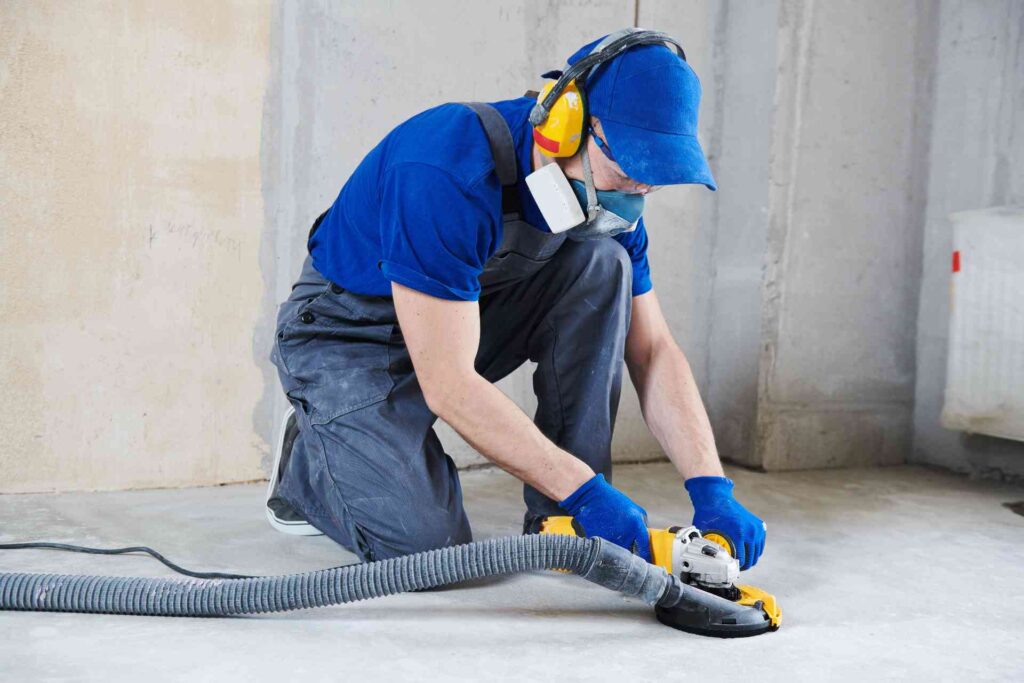
Uneven floors vary in severity, and knowing when leveling or a professional assessment is required helps ensure your new flooring performs well for years. Minor surface imperfections like shallow dips or gentle waves can often be corrected with simple patching or spot-leveling, especially when installing flexible materials. But more substantial issues need attention before any new flooring is installed.
Leveling is necessary when the floor has deep depressions, sharp high spots, or noticeable slopes that affect how the flooring locks together or how stable it feels underfoot. Rigid materials such as tile, laminate, and engineered wood demand a flatter base and will quickly reveal imperfections through cracking, gaps, or movement. Floors with signs of moisture damage, soft spots, cracked tiles, or ongoing settling may indicate subfloor or structural concerns that should be evaluated.
When the unevenness appears severe, continues to worsen, or is accompanied by issues like sagging, widespread soft areas, or significant height changes between rooms, a trained professional can determine whether the floor needs targeted leveling or deeper subfloor repairs to create a safe, stable surface for your new flooring.
Explore Flooring Solutions That Work for Uneven Floors
Choosing flooring for an uneven surface can feel overwhelming, but you don’t have to make the decision alone. At Builders Interiors, our team works with homeowners every day who are dealing with dips, slopes, waves, and imperfect subfloors. We can help you understand which flooring materials will perform best in your home, how much subfloor preparation your project may require, and which options fit your style, budget, and long-term goals. With thousands of in-stock products and a knowledgeable staff, we make it easier to find flooring that creates a smooth, stable finish even when your subfloor isn’t perfect.
If you’re a Woodinville-area homeowner dealing with uneven floors, we’re here to help. You can schedule a free consultation to discuss your project, get personalized material recommendations, or stop by our Woodinville showroom to explore flooring options in person.