

The Only Carpet Buying Guide You Need: Fiber, Pile, Design, and More
Choosing new carpet involves more decisions than most homeowners expect. Fiber type, construction, pile height, color, pattern, and padding each affect how the carpet performs, how it looks over time, and how much it costs. Without a framework for evaluating those variables, the process can feel overwhelming before you’ve looked at a single sample.
This guide covers everything you need to make a confident carpet selection, from setting a realistic budget and understanding fiber types to choosing the right carpet for every room in your home and preparing for installation day.


How Much Does Carpet Cost?
Carpet is priced by the square yard, with materials running roughly $9 to $45 per square yard depending on fiber type, construction, and quality. Installed cost, which includes the carpet, padding, and labor, typically ranges from $18 to $72 per square yard. Removal and disposal of existing carpet may or may not be included in that figure, depending on the installer, so confirm this when getting an estimate. It can add meaningfully to the overall project cost. That wide range reflects how significantly quality, performance, and longevity vary from one end of the market to the other.
When comparing carpet options, look at the overall cost rather than the material price alone. A budget-friendly carpet installed over poor padding will underperform a mid-range carpet installed correctly. The upfront cost and the long-term value are two different numbers, and understanding what drives price helps you find the right balance between them. Four factors determine where a carpet lands on the price scale: face weight, twist count, fiber type, and the warranty.
Face Weight
Face weight measures how much fiber is packed into a square yard of carpet, expressed in ounces, and applies to every construction type. For example, standard residential carpet typically falls between 35 and 50 ounces per square yard. Premium options run 50 ounces and above. Higher face weight means more fiber per square yard, which generally means a denser, more durable carpet regardless of style. You can get a rough sense of face weight by pressing your fingers into the carpet and seeing how easily they reach the backing. A carpet that compresses easily to the backing has a lower face weight than one that resists.
Twist Count
Twist count is another quality measurement that runs across fiber types and construction styles. Look closely at a single fiber strand and count how many times it twists along its length. An inexpensive carpet may have three twists per inch. A quality carpet typically has six to eight. More twists mean the fiber holds its shape longer under foot traffic, which is why twist count connects directly to texture retention and durability, regardless of which construction type you’re evaluating.
Fiber Type
Nylon costs more than polyester. Triexta sits in a similar range to mid-grade nylon. Wool carries a significant premium over all synthetic options. In most cases, a higher fiber cost reflects a longer useful life and stronger performance under heavy use.
Product Warranty
Manufacturers typically back higher-quality carpets with longer warranties. Comparing warranty terms across options gives you a quick, practical signal of how a manufacturer rates its own product’s longevity. A longer warranty on a more expensive carpet often reflects a better total value when you account for how many years it will last.
Carpet Construction and Pile Types Explained
Carpet construction refers to how the fibers are attached to the backing and how they’re finished at the surface. The construction determines the carpet’s appearance, how it feels underfoot, and how it holds up to traffic.
| Construction | Feel | Best For | Trade-off |
|---|---|---|---|
| Textured cut pile | Casual, slightly textured | Almost any room; the most versatile option for everyday residential use | Shows less wear than smoother styles, but not completely footprint-proof |
| Plush / Saxony | Smooth, soft, formal | Bedrooms and formal living rooms with light traffic | Shows footprints and vacuum marks more readily than a textured surface |
| Frieze | Casual, curled tip, similar to a modern shag carpet | Family rooms, casual living spaces, and anywhere durability matters | Less formal appearance; not suited to traditional or highly formal interiors |
| Berber / Looped | Firm, low pile, tight weave | High-traffic areas; holds up well to heavy use | Loops can snag, making it a poor choice for homes with pets or young children. |
| Multi-level loop | Textured, patterned, firm | High-traffic areas where more visual interest is desired than standard Berber offers | Same snagging risk as Berber in pet and child-heavy households |
| Cut and loop | Sculptural, patterned, varied pile height | Family rooms and living rooms where durability and appearance both matter | Pattern limits color and style flexibility compared to solid cut pile options |
Which Carpet Fiber Types Are Right for Your Home?
Fiber type determines how a carpet performs over the long run more than any other single variable. Different fibers offer different balances of softness, durability, stain resistance, and cost.
Nylon Carpet
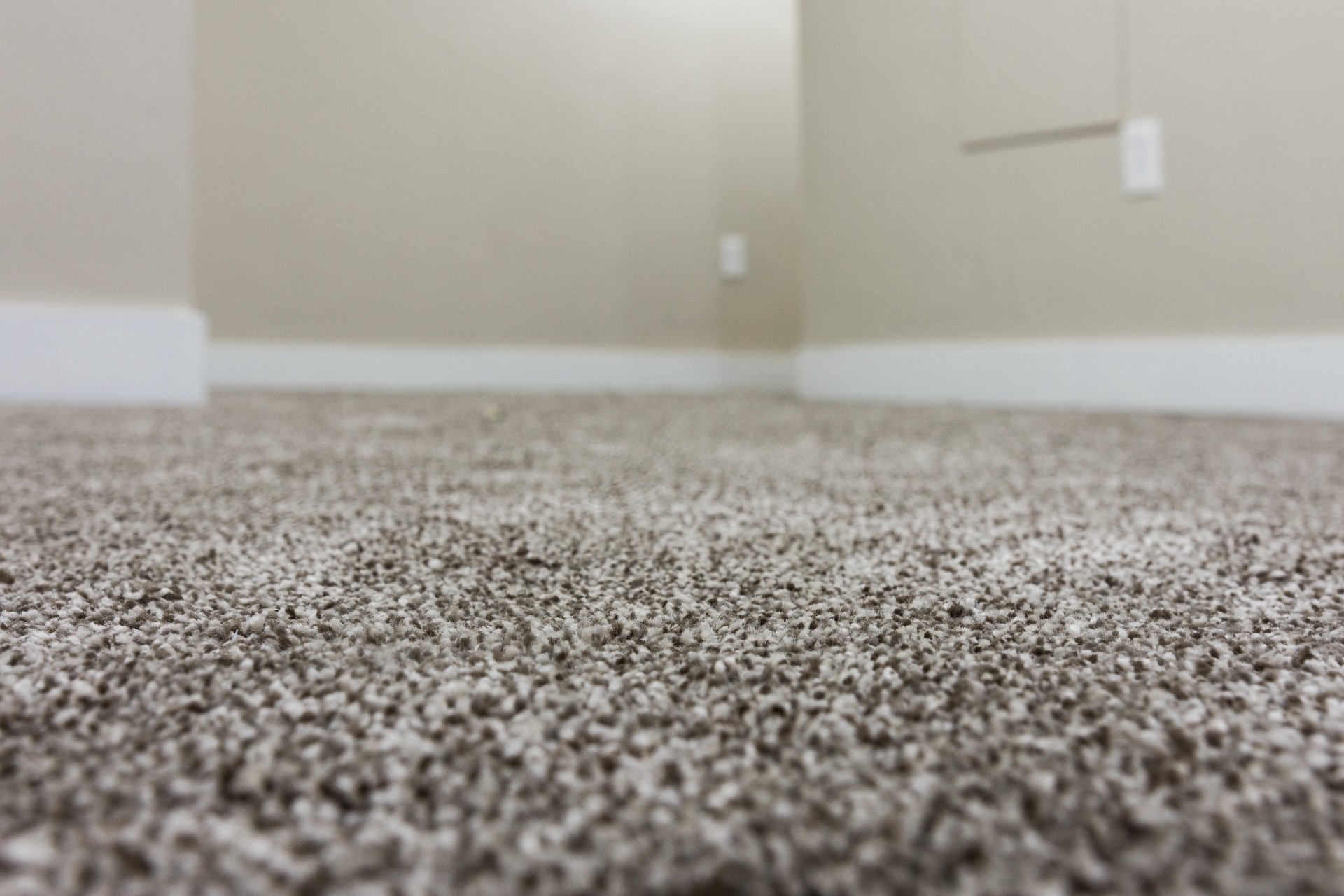
Nylon carpet is the most widely used fiber in residential carpet for good reason. It springs back to its original shape after being compressed underfoot better than other synthetic materials, which means it holds its texture and resists matting over the years of heavy use. Nylon is resistant to wear and scratching from foot traffic, and it holds up well to regular vacuuming and professional cleaning without fiber degradation, making it a practical choice for high-traffic areas, family rooms, and homes with children or pets. It is not inherently stain-resistant but takes well to stain-resistant treatments applied during manufacturing.
Polyester Carpet
Polyester fibers are naturally stain-resistant because moisture and most liquids don’t penetrate the fiber, staying on the carpet’s surface until blotted away. Polyester tends to be a softer carpet than nylon at comparable price points and holds color well, producing rich, vibrant tones. The trade-off is resilience: polyester is more prone to matting and crushing in high-traffic areas than nylon. It suits bedrooms and lower-traffic spaces where softness matters more than long-term durability. Many polyester carpet options are made from recycled materials, making polyester a strong choice for eco-friendly buyers.
Triexta Carpet
Triexta is a newer synthetic fiber that combines the softness of polyester with durability closer to nylon. It is inherently stain resistant at the fiber level, not through a surface treatment, which means the stain resistance doesn’t wear away over time. Mohawk SmartStrand is the most widely recognized Triexta product and is partially derived from renewable corn-based materials. Triexta performs well in family rooms, high-traffic areas, and homes with pets, offering a strong balance of softness, durability, and built-in stain protection at a mid-to-premium price point.
Wool Carpet
Wool is the benchmark among natural fibers for carpet. It is naturally resistant to staining, regulates humidity, and produces a depth of color that synthetic materials don’t fully replicate. A quality wool carpet has a luxurious feel underfoot and can last for decades with proper care. The cost reflects all of that: wool carries a significant premium over synthetic options. It suits formal spaces, primary bedrooms, and buyers who prioritize natural materials and long-term quality over upfront cost.
Polypropylene (Olefin) Carpet
Polypropylene is another synthetic fiber used primarily in loop-style and below-grade applications. It is solution dyed, meaning the color is built into the fiber rather than applied to the surface, which gives it excellent color fastness and makes it highly resistant to fading. It handles moisture well and works in spaces where a moisture barrier alone isn’t enough, such as basements. Its resilience under heavy foot traffic is limited compared to nylon or Triexta, but for the right application, it performs reliably at a budget-friendly price point.
How to Choose Carpet Color and Pattern
Once you understand construction and fiber, color and pattern are where carpet selection becomes personal. The right choice depends on the room’s light, size, existing décor, and how much maintenance you’re willing to do.
- Light and room size. Light colors make a room feel larger and brighter, but show soil and staining more readily. Dark colors add warmth and hide dirt between cleanings, but can make smaller rooms feel more enclosed. If natural light is limited, a mid-tone neutral gives you the visual balance of both without committing fully to either.
- Pattern and scale. Patterned carpets add visual interest without requiring additional furniture or artwork, but scale matters. Alarge pattern in a small room can feel busy, while the same pattern in a larger room feels intentional. A subtle pattern, including the natural texture of a multi-level loop or cut and loop construction, can break up a large expanse of floor without drawing attention to itself.
- Hiding dirt and traffic wear. Mid-tone colors in earthy or warm tones hide dirt and dust particles between vacuuming better than very light or very dark options. Carpets with built-in pattern, texture, or color variation also hide dirt more effectively than solid, smooth-pile options. In high-traffic rooms, this is a practical consideration worth weighing alongside aesthetics.
- Coordinating with existing elements. Start with what’s already in the room: wall color, furniture, and any adjacent hard flooring. Carpet doesn’t need to match those elements exactly, but warm tones should stay with warm and cool tones with cool. Always bring a physical sample home before committing, because colors that look neutral in a showroom can shift significantly under different lighting.
The Best Carpet for Every Room in Your Home
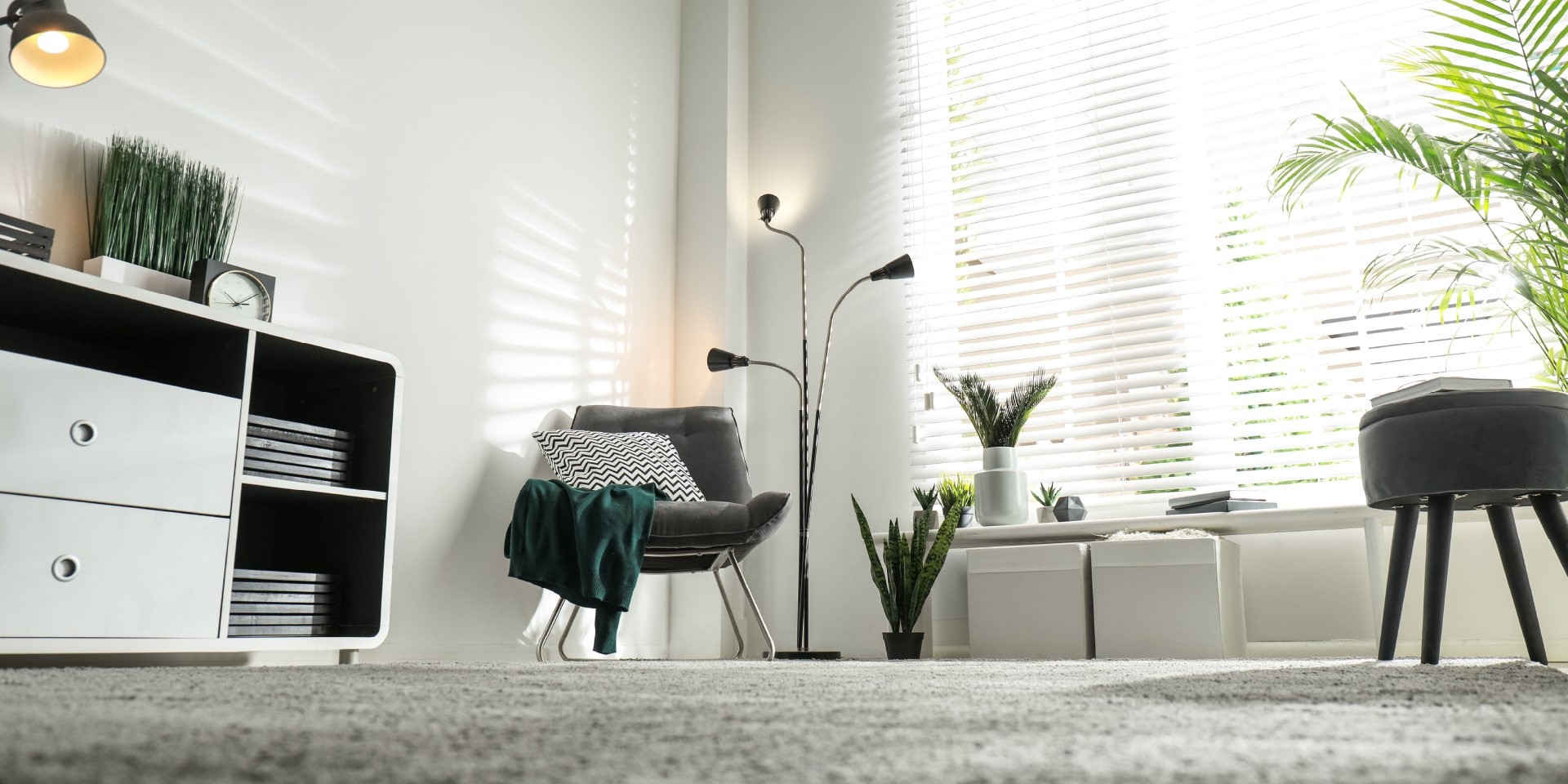
The right carpet for any room depends on how it’s used, who uses it, and what the floor needs to withstand. Use this as a starting point, then refine based on your household’s specific needs.
| Room | Recommended Carpet | Why It Works |
|---|---|---|
| Primary bedroom | Plush or high pile polyester or Triexta | Low traffic means comfort can take priority. Polyester and Triexta deliver a soft feel underfoot across a range of price points, and stain resistance in bedrooms is lower than in shared living spaces. |
| Guest bedroom | Textured cut pile polyester or mid-grade nylon | Light use means you don’t need premium fiber, but a textured carpet holds up better than plush carpet if the room doubles as an office or gets irregular traffic. |
| Children’s bedroom | Triexta or stain-treated nylon | Built-in stain resistance at the fiber level matters in a child’s room. Triexta handles spills without relying on a surface treatment that wears over time. |
| Living / family room | Textured cut pile or cut loop nylon or Triexta | These spaces carry the heaviest daily traffic in most homes and need a fiber that retains its shape over years of consistent use while hiding wear and vacuum marks well. |
| Dining room | Low pile textured cut pile or cut and loop nylon | Spills are more likely in a dining room than in most other carpeted spaces. A low-pile carpet with a dense construction is easier to clean and less likely to trap debris from meals. |
| Home office | Textured cut pile nylon | Office chairs on carpet create concentrated, repetitive wear. A dense nylon with good abrasion resistance holds up better than softer fibers under rolling chair traffic. |
| Hallways and entryways | Berber or multi-level loop nylon or polypropylene | High-traffic transition areas need a tight, low-pile construction that resists crushing. Looped carpet construction handles heavy foot traffic better than cut pile in these spaces. |
| Stairs | Dense, low to mid-pile textured cut pile or frieze nylon | Stairs concentrate traffic on each tread, requiring a durable fiber and a construction that won’t snag or pull at nosings. Berber carpet is workable on straight stairs but more difficult on pie stairs and more prone to snagging on stair edges. Per square foot, stairs require more material and more labor than flat rooms, so factor that into your overall budget. |
| Basement | Solution-dyed polypropylene or moisture-resistant Triexta | Below-grade spaces are susceptible to moisture. Solution-dyed polypropylene and Triexta both handle moisture better than nylon or wool, and solution-dyed fibers won’t fade if light or humidity affects the space over time. |
Things to Consider When Preparing for Carpet Installation
A smooth installation starts with preparation on your end. The table below covers the questions your installer will ask, and what you need to know before answering them.
| Consideration | What to Know |
|---|---|
| Have you selected your carpet style and fiber? | Your installer will confirm material specs and square footage before scheduling. Having your selections finalized before the appointment prevents delays and ensures accurate pricing. |
| How much foot traffic does this room get? | Traffic level affects padding recommendations and installation approach. High-traffic areas may benefit from a denser pad and a more durable carpet edge treatment. |
| What type of padding do you want? | Rebond foam is the most common residential option and performs well under most carpet types. Rubber padding offers firmer support and works well under loop-style carpets. Felt is thinner and denser, suited to areas where a firmer feel is preferred. Ask your flooring expert for a recommendation based on your specific carpet selection. |
| Does your existing carpet need to be removed? | Removal and disposal of old carpet is typically offered as part of installation. Confirm this with your installer and ask whether there is an added cost. |
| Have pets had accidents on the existing floor? | Pet urine that has reached the subfloor won’t be resolved by new carpet alone. If there are problem areas, discuss subfloor sealing with your installer before installation day. Sealing the subfloor prevents odors from carrying through into the new carpet. |
| Are there any squeaks in your subfloor? | Once carpet and padding are down, subfloor access is gone. Flag any squeaks to your installer before the job starts so they can be addressed as part of the work. |
| Is the carpet going over concrete? | Concrete subfloors may require a moisture barrier before padding is installed. Moisture coming up through a slab can damage padding and backing over time, and addressing it before installation is significantly easier than after. |
| Are you having new baseboards installed? | If new baseboards are going in, coordinate the timing with your carpet installation. Carpet typically goes in before baseboards, so the base covers the carpet edge cleanly. If you’re keeping existing baseboards, the installer will tuck the carpet edge underneath. |
| Is any carpet going on the stairs? | Stairs require more cutting, more fitting, and more time than flat rooms. Know your stair type (straight or pie) and your preferred profile (capped or wrapped) before scheduling, as both affect material needs and labor cost. |
| Is there space near the installation area to cut carpet? | Installers need room to measure and cut. A garage, driveway, or large nearby hallway keeps the job moving efficiently. |
| Is there furniture in the rooms being carpeted? | Standard furniture is typically moved as part of the installation. Large items, fragile pieces, electronics, and anything with contents that could shift should be handled before the crew arrives. |
| Is your home within the service area? | Confirm your address falls within the installation service area before scheduling. Homes outside the boundary may be subject to a trip charge. |
| When do you need the installation completed? | Plan to give at least one week’s notice for your preferred installation date, particularly during peak seasons. The more lead time you can provide, the more flexibility you’ll have in scheduling. |
Ready to Find the Right Carpet for Your Home?
Choosing the right carpet comes down to matching the right fiber, construction, and quality to how your household actually lives. The options covered in this guide each have a place depending on the room, the traffic, and the priorities of the people using the space.
Builders Interiors carries carpet from some of the most respected names in the industry, including Fabrica, Flooring2, Mohawk, and Shaw, with options spanning every budget, fiber type, and construction style. Visit our showroom in Woodinville to see and feel samples in person, or schedule a free design consultation with one of our flooring experts. We serve homeowners throughout the greater Seattle area and are happy to help you get started.