

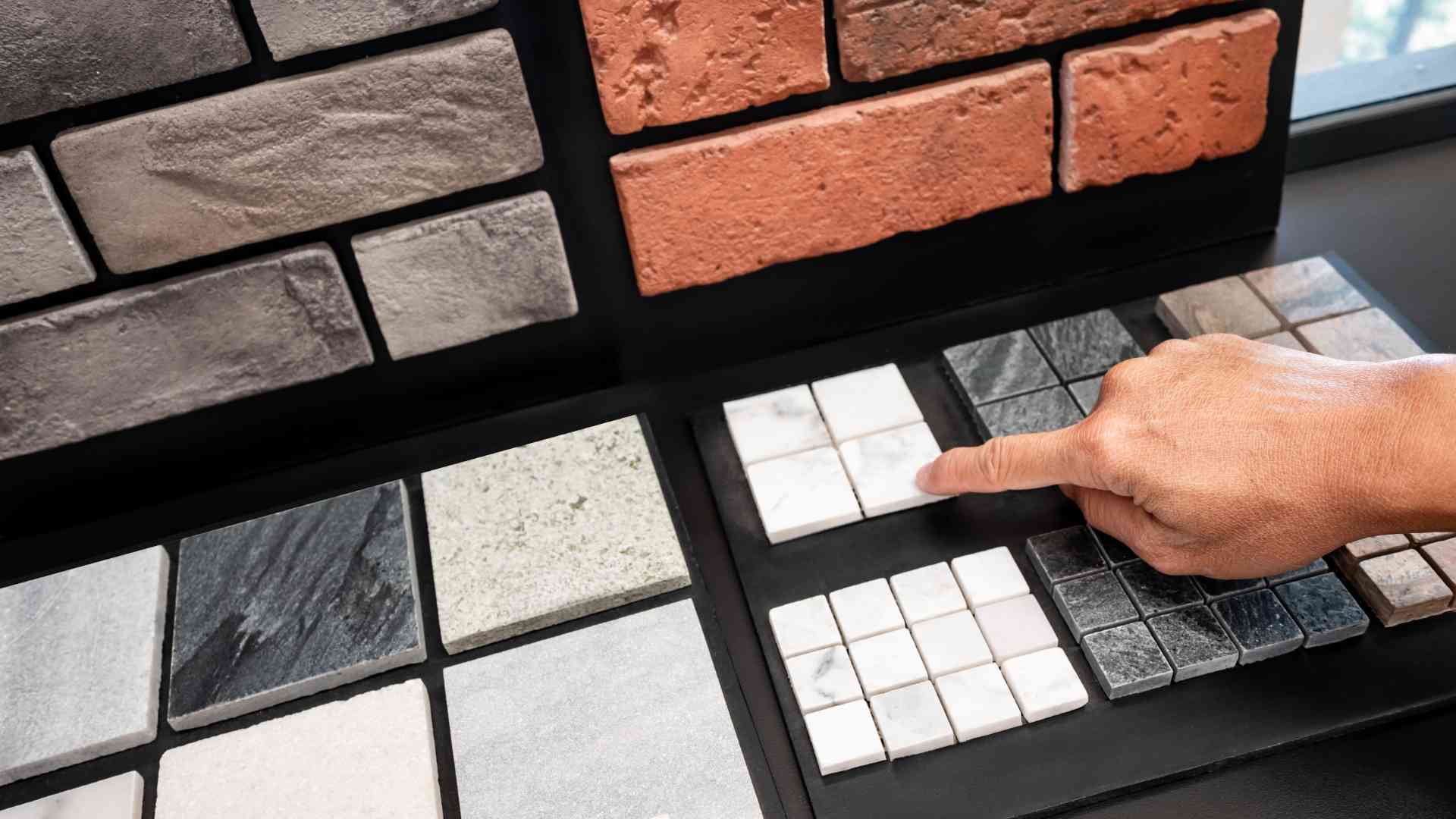
Tile plays a major role in the look, feel, and function of a room. The right choice can make a kitchen brighter, a bathroom easier to clean, or a living area more durable. Tile comes in a wide range of styles, sizes, and synthetic and natural materials, helping homeowners create spaces that match their lifestyle and design goals.
Understanding the types of tiles available is the first step in choosing the best option for your home. Tile selection is shaped by where it will be used, the material it’s made from, the style you want to create, and the size and shape that fit your layout. Learning these basics makes it easier to compare products and plan a design that looks intentional and performs well over time.
Where Tiles Are Used in the Home
Tile is an adaptable material. It works well on surfaces that need durability, moisture resistance, and easy maintenance, making it a great choice for kitchens, bathrooms, laundry rooms, living areas, and outdoor spaces. While many tile styles can technically be used in multiple areas, each location has different performance requirements, and choosing the right tile helps ensure long-term results.
- Wall tile: Wall tiles are lightweight and easy to install vertically, offering decorative textures, glossy finishes, and specialty materials that elevate interior walls and bathroom walls without needing to withstand foot traffic. They are common on backsplashes, shower surrounds, fireplace features, and other areas where appearance and detail matter most.
- Floor tile: Tile flooring is manufactured for strength and stability. Their higher density, impact resistance, and slip-resistant textures make them ideal for kitchens, bathrooms, entryways, mudrooms, and other high-traffic areas where durability is essential.
- Countertop tile: Tile countertops remain a practical surface for kitchens, laundry rooms, and some outdoor spaces because they offer durability, heat resistance, and a wide selection of styles. Porcelain and ceramic tiles are common choices, while natural stone tile can be used if it is properly sealed and maintained.
Tile Materials You Can Choose From
Tile materials influence everything from durability to maintenance to overall style. Each type of material performs differently, making it important to understand how they compare. Some materials work well in high-traffic or moisture-prone areas, while others shine as decorative accents or feature pieces. Knowing the strengths of each option helps you match the right material to the right room.
| Tile Material | Cost | Durability | Slip Resistance | Best Location | Maintenance Needs |
|---|---|---|---|---|---|
| Ceramic tile | $ | Moderate | Moderate | Indoor walls, light-use floors | Occasional grout cleaning; low tile upkeep |
| Porcelain tile | $$ – $$$ | Very high | High | High-traffic floors, bathrooms, and kitchens | Minimal; highly resistant to stains and wear |
| Stone tile | $$ – $$$$ | High (varies by stone) | Moderate to high | Entryways, kitchens, bathrooms, and feature floors | Needs sealing; regular care required |
| Glass tile | $$ – $$$ | Low to moderate | Low | Backsplashes, shower walls, accent areas | Easy to clean; grout sealing recommended |
| Metal tile | $$ – $$$ | Moderate | Low | Kitchen backsplashes, decorative wall features | Wipes clean easily; prone to scratching |
Ceramic Tile
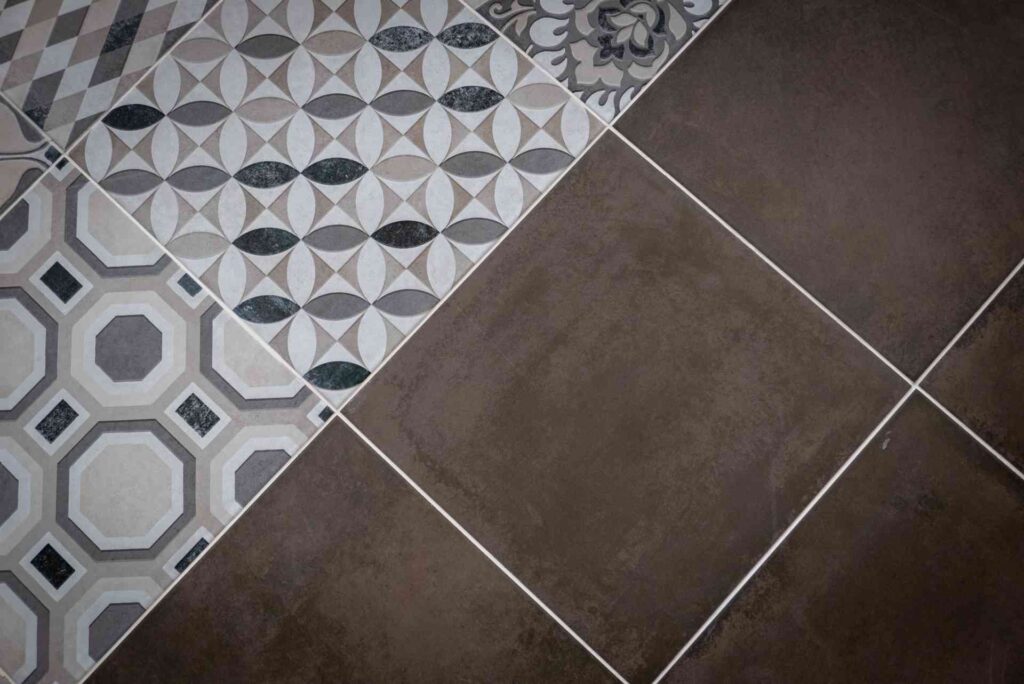
Ceramic tile is a dependable and affordable choice for residential spaces. Made from clay fired at high temperatures, it holds up well in everyday environments and is easier to cut and install than denser materials. With many colors, textures, and patterns available, ceramic works well in bathrooms, laundry rooms, light-use living areas, and on walls such as shower surrounds and kitchen backsplashes.
Porcelain Tile
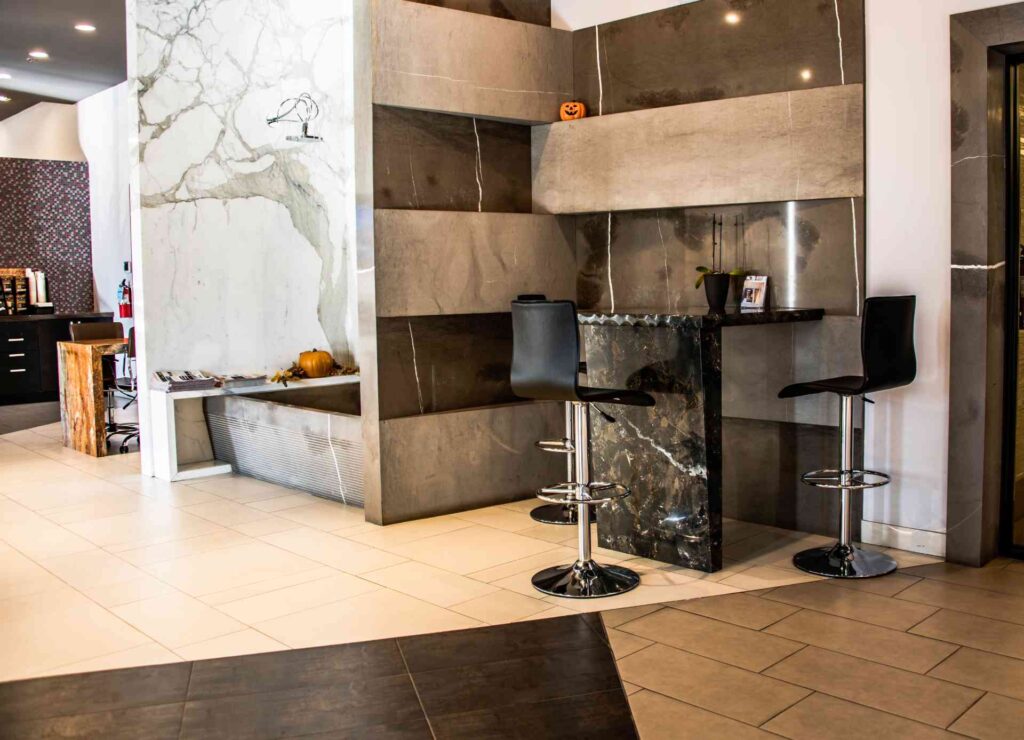
Porcelain tile is one of the most durable residential tile options, offering exceptional resistance to moisture, stains, and wear. Its dense composition makes it ideal for high-traffic rooms like kitchens, hallways, bathrooms, and mudrooms, and many styles perform well outdoors. Porcelain comes in designs that mimic stone, wood, and concrete, giving homeowners long-lasting performance with a wide range of style choices.
Glass Tile
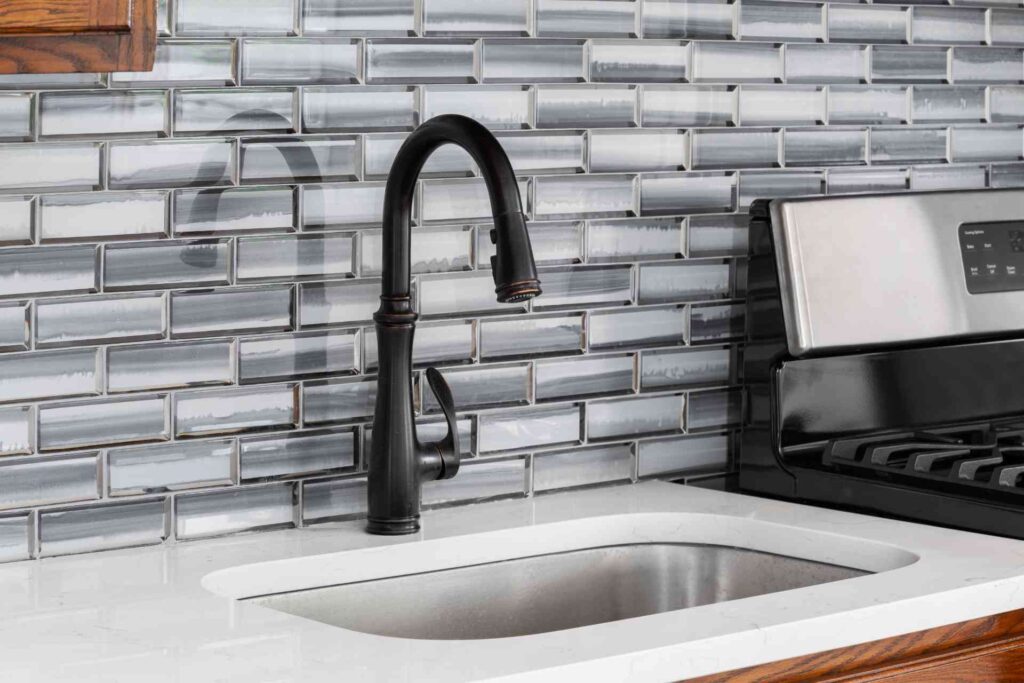
Glass tiles add interest, brightness, and visual depth with their reflective finish and variety of clear, frosted, and textured styles. It resists stains and wipes clean easily, making it a strong choice for backsplashes, shower walls, tub surrounds, and other decorative features. While not suitable for floors, glass tile excels on walls where color and shine can enhance the overall design.
Stone Tile
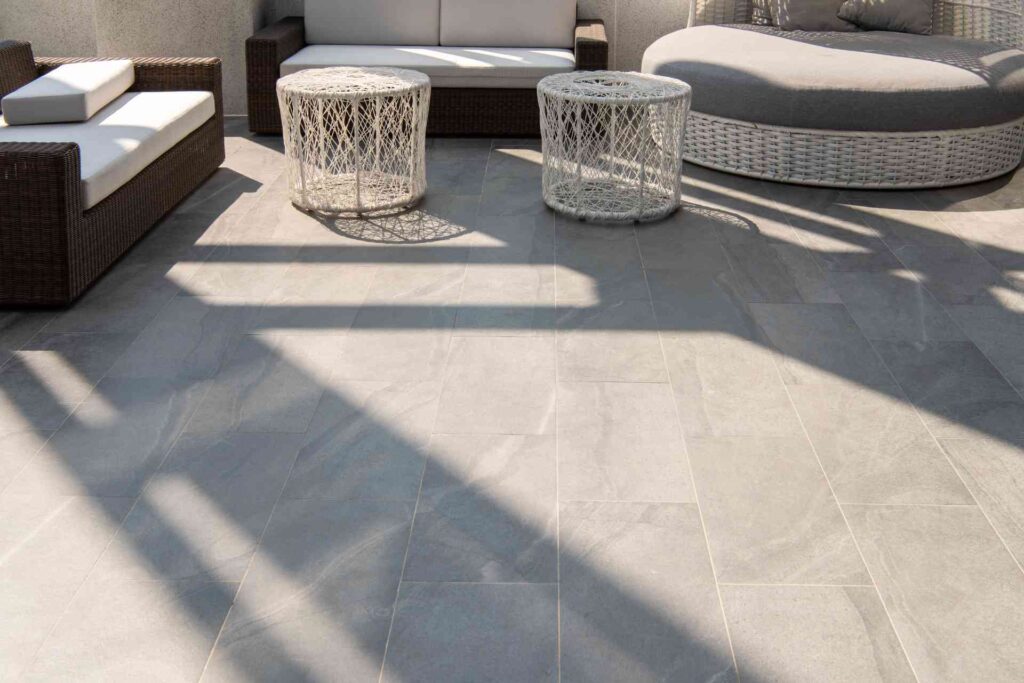
Natural stone tile delivers a natural, high-end look with unique color variation and texture. Materials like marble, slate, travertine, and granite bring character to entryways, kitchens, bathrooms, and living areas. Because stone is porous, it requires regular sealing and maintenance, but with proper care, it provides a warm, organic feel that elevates floors and feature walls.
Metal Tile
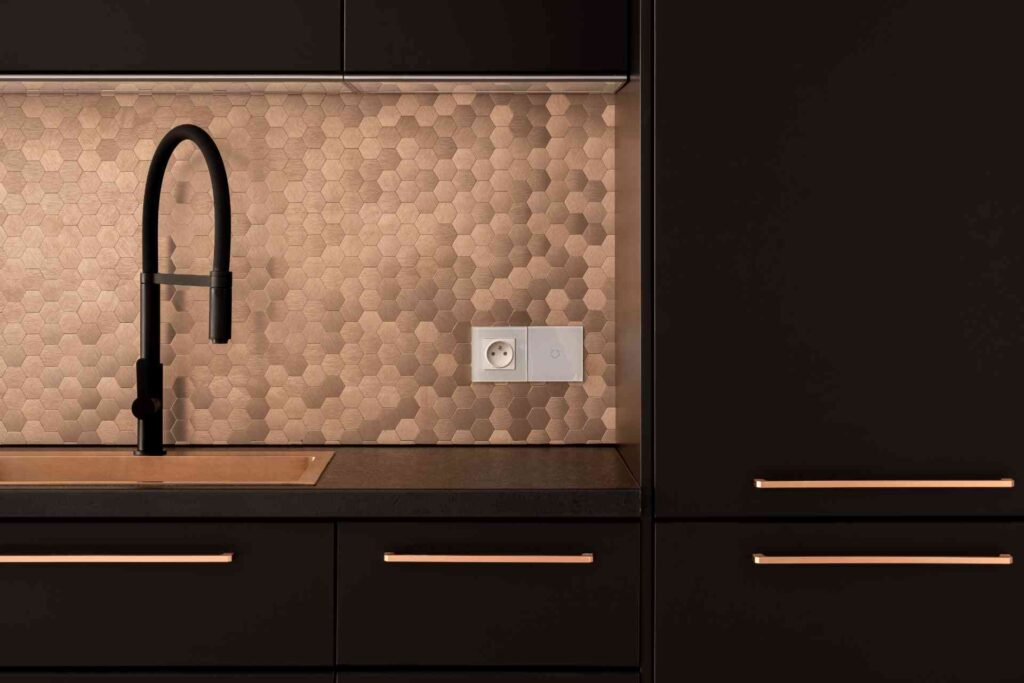
Metal tile offers a sleek, modern style with finishes such as stainless steel, brushed nickel, copper, and bronze. Used primarily as an accent, it enhances kitchen backsplashes, stove surrounds, bathroom features, and shower niches. Metal is durable on walls, but it’s worth noting that it’s prone to scratching on floors, so it is best reserved for vertical surfaces where its shine and texture can stand out.
Additional Tile Materials
Some tile materials fall outside the core categories but still offer unique benefits for specific design styles or accent areas in the home. These options provide distinctive textures, various colors, and patterns that can elevate both modern and traditional spaces.
- Cement tile is a handcrafted material known for its bold patterns, matte finish, and rich color, making it a popular choice for statement floors and feature walls.
- Terracotta tile brings warm, earthy tones and a rustic feel to kitchens, sunrooms, and dining spaces, creating a welcoming, natural finish.
- Quartz tile offers a durable, modern surface that works well in contemporary interiors where homeowners want a clean and consistent appearance.
- Resin tile provides artistic flexibility with custom colors and shapes, making it the perfect match for decorative accents rather than high-traffic floors.
- Wood-look porcelain gives homeowners the warmth and style of natural wood with the durability and water resistance of tile, making it suitable for kitchens, bathrooms, and living areas.
Tile Shape and Pattern Options
The shape and pattern of your tile play a major role in how smooth or striking your tile looks. Some patterns create clean, modern lines, while others introduce movement, texture, or a more decorative feel. The options below cover the most popular choices for today’s kitchen and flooring designs, along with additional patterns that work well when you want something a little different.
Rectangular Tile
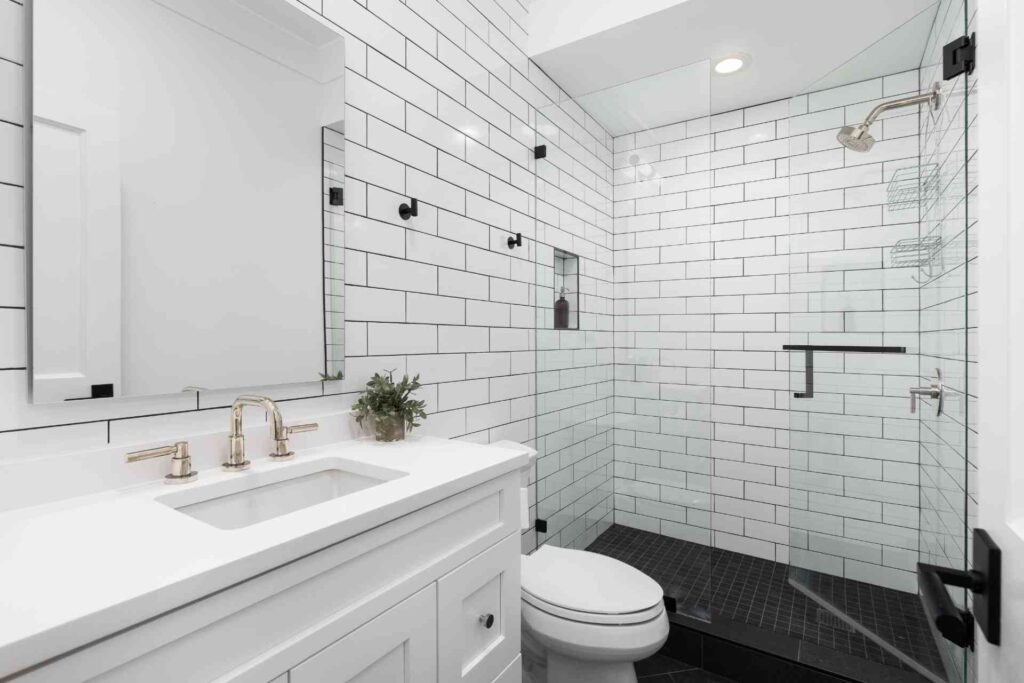
Rectangle tiles are the most common choice because they offer clean lines and work with a wide range of layouts. You can run them in a classic subway pattern, stack them for a modern look, or offset them to create gentle movement between two tile surfaces. Their straightforward shape makes it easy to create a tidy and intentional transition that doesn’t distract from the rest of the room.
Square Tile
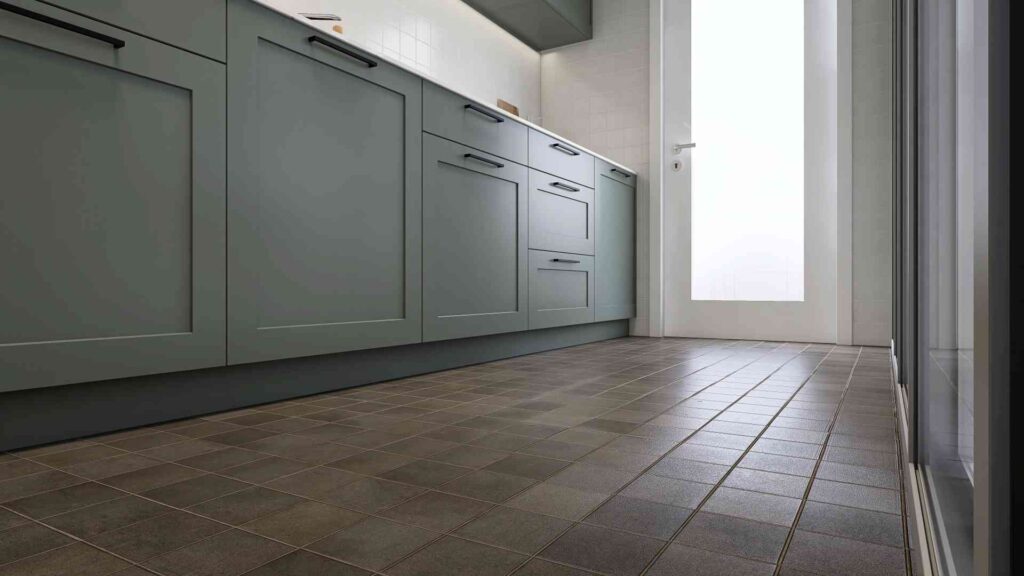
Square tiles offer a simple and timeless look that works in both modern and traditional spaces. Their uniform shape makes transitions feel neat and orderly, especially when two different tile materials meet in a visible area. Square tiles also come in a wide range of sizes, from small handmade styles to large contemporary formats, giving you flexibility in how bold or subtle the transition appears.
Hexagon and Octagon Tile
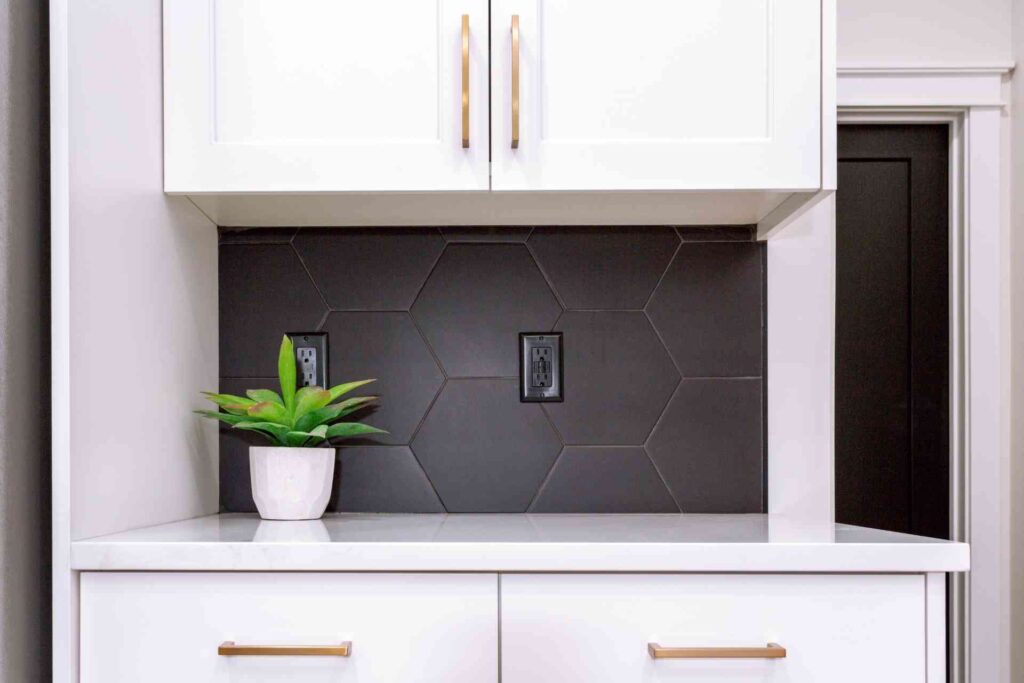
Hexagon and octagon tiles are a popular choice for creating transitions that feel artistic and modern. Their geometric edges allow one tile surface to flow into another with a natural, organic shape instead of a straight line. The unique shape makes them an ideal choice when you want the transition to become a design feature, especially in open kitchens or entryways where the flooring plays a central visual role.
Mosaic Tile Patterns
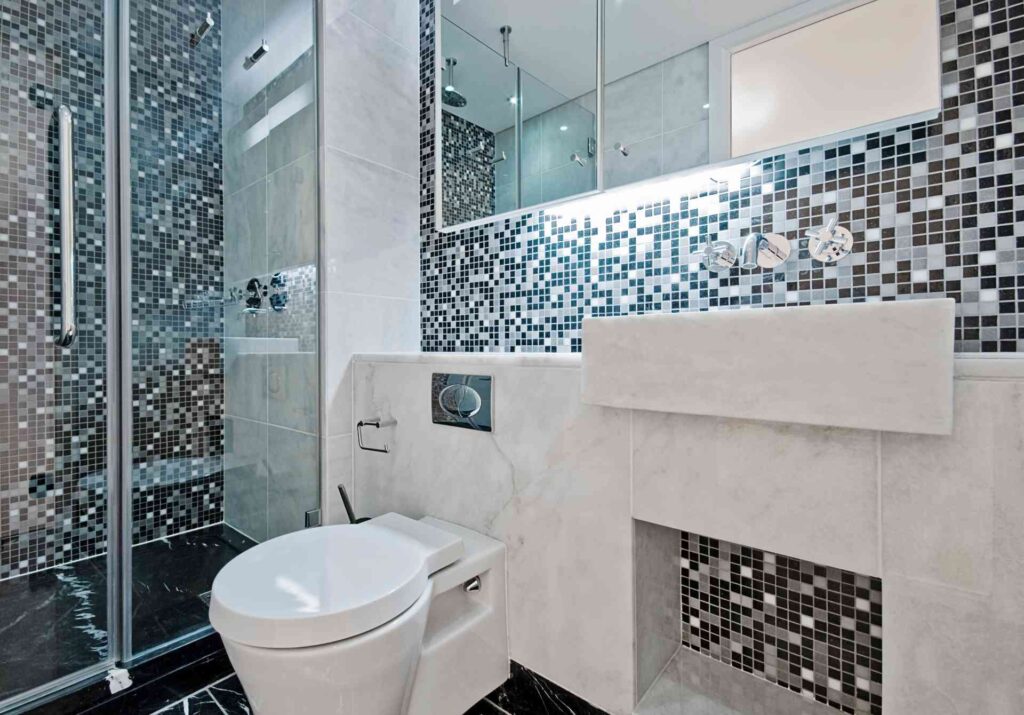
Mosaic tiles are made up of many small pieces arranged on a mesh sheet, which makes them easy to install while offering intricate detail. Their size and flexibility help smooth out transitions between two tile surfaces, especially when the materials differ in shape or scale. Mosaics can add texture and visual interest without overwhelming the space, making them a practical and stylish option for kitchens, bathrooms, and other high-use areas.
Herringbone Tile Patterns
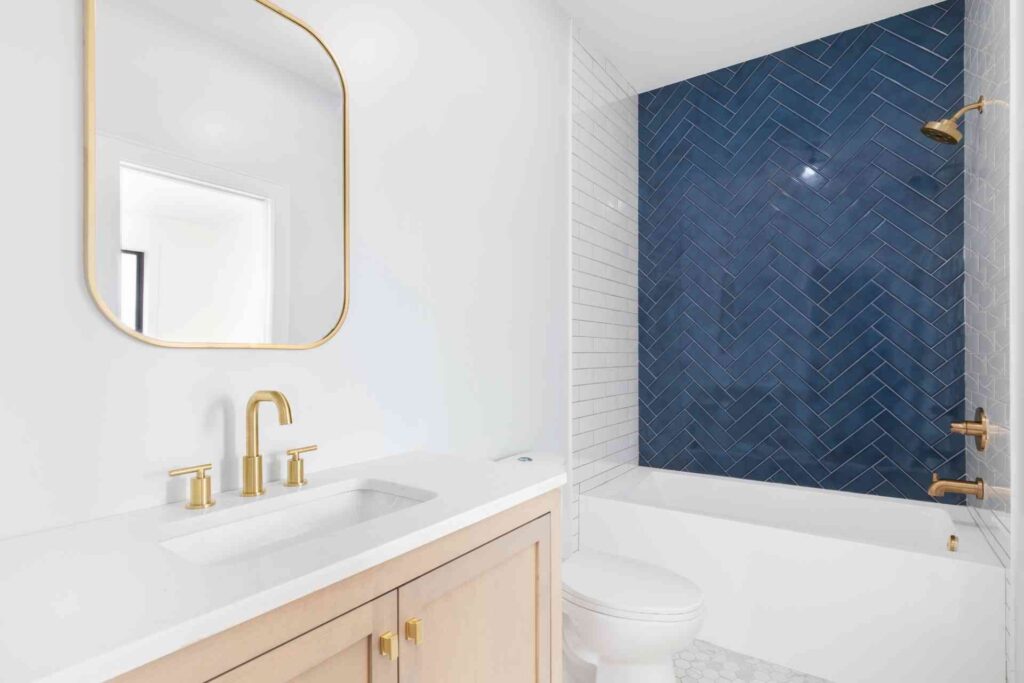
Herringbone tiles create a dynamic, woven look by arranging rectangular tiles at alternating angles, adding movement and elegance to the design. The pattern naturally draws the eye and softens the boundary between two surfaces. This style works well when you want the transition to feel intentional and decorative, especially in kitchens or hallways where a subtle focal point enhances the overall design.
Chevron Tile Patterns
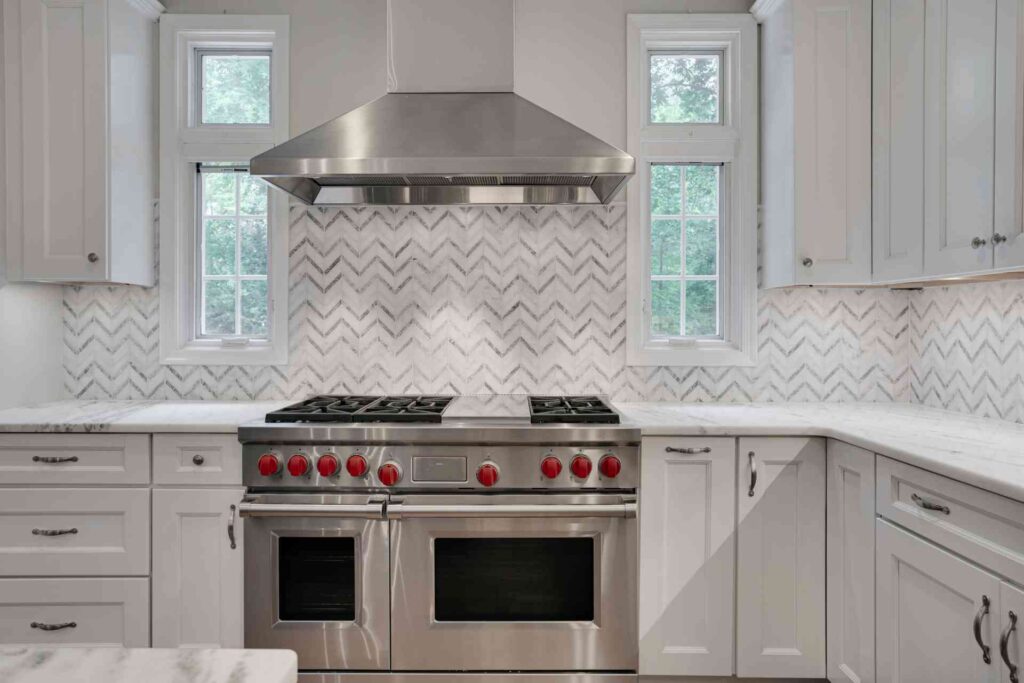
Chevron tiles create a continuous V-shaped pattern that provides a clean, modern rhythm. Unlike herringbone, the ends of each tile are cut at precise angles, allowing the points to meet seamlessly and form a smooth directional flow. This makes chevron a strong choice when you want a transition that feels sleek and intentional while still adding a bit of visual energy to the space.
Additional Shapes and Patterns
These shapes and patterns offer even more ways to customize your tile. They can help you match a specific style, highlight a design feature, or solve layout challenges when working with unique room dimensions.
- Linear creates long, clean lines that work well for modern spaces.
- Penny round brings a playful, textured feel that softens the transition line.
- Arabesque or lantern adds a decorative, high-end look with its curved, elegant silhouette.
- Basketweave provides a subtle woven effect that feels traditional and refined.
- Diamond or diagonal layouts help visually elongate a room and make the transition feel more dynamic.
- Random or mixed-size patterns give a more organic, handcrafted appearance that works well in rustic or eclectic designs.
Tile Sizes That Influence Scale and Layout
Tile size plays an important role in how a room looks and feels. Larger tiles can make a space appear more open and modern, while smaller tiles add detail and work well in tight or curved areas. The size you choose affects installation patterns, grout visibility, and the overall visual balance of a room.
| Tile Size | Visual Impact | Best Uses | Installation Difficulty | Grout Visibility | Room Size Compatibility |
|---|---|---|---|---|---|
| Large (11”+) | Creates a clean, open look with fewer lines | Living rooms, bathrooms, kitchens, entryways, and feature walls | Moderate to high | Low | Ideal for medium to large rooms; can make small rooms feel bigger |
| Medium (2–10”) | Balanced appearance that works with most layouts | Floors and walls in nearly any room | Low to moderate | Moderate | Works well in rooms of all sizes |
| Small (<2”) | High detail and texture, strong visual accents | Shower floors, backsplashes, borders, curved surfaces | High | High | Best for small areas or as accents in larger rooms |
Large Format Tiles
Large format tiles create a clean, expansive feel by minimizing grout lines and giving floors and walls a smooth, continuous appearance. These tiles work well in open-concept living areas, kitchens, bathrooms, and entryways where homeowners want a modern, streamlined style. Because the size covers more surface area with fewer seams, large-format tiles can make small rooms feel bigger and reduce long-term grout maintenance. They’re often made from porcelain for added strength, and they require a level subfloor or wall for proper installation due to their size.
Medium Format Tiles
Medium-sized tiles are the most versatile option for residential spaces because they fit well in nearly any room and work with a wide range of design styles. This size category includes many common square and rectangular tiles used in kitchens, bathrooms, laundry rooms, and living areas. Medium tiles offer a good balance between visual impact and ease of installation, providing enough surface area to reduce grout lines without overwhelming a smaller room. Their flexibility makes them a practical choice for both walls and floors, allowing homeowners to create classic, contemporary, or transitional looks with confidence.
Small Format Tiles
Small tiles are ideal for creating detailed patterns, curves, and decorative accents that add character to a room. Often used in mosaic sheets, they work well for shower floors, backsplashes, borders, and niches where precision and slip resistance matter. Their compact size allows them to follow the shape of uneven or angled surfaces, making them practical for areas where larger tiles would be difficult to install. Small tiles also add texture and visual interest, giving homeowners a way to highlight specific areas without overwhelming the overall design.
10 Tips For Choosing the Best Tile for Your Home
Choosing the right tile involves more than color and style. The material, size, shape, and finish all affect how a room looks and performs over time. These practical tips help homeowners narrow their options and select tile that fits both their design goals and everyday needs.
- Match the tile material to the room’s demands: Porcelain works well in high-traffic or moisture-heavy areas, while ceramic fits everyday spaces and decorative walls.
- Choose a tile that aligns with where it will be installed: Floor tiles need more strength and slip resistance, while wall tiles can be lighter and more decorative.
- Use tile size to influence how a room feels: Large tiles make rooms look more open, while small tiles add detail to tight spaces, curves, or accent features.
- Consider the style created by the tile’s look: Stone, marble, concrete, and fabric-inspired tiles each create different moods that shape the personality of the space.
- Select a shape that supports your design direction: Geometric shapes create bold visuals, while classic shapes like squares and rectangles offer a clean, timeless foundation.
- Pay attention to slip resistance in moisture-prone areas: Bathrooms, laundry rooms, and mudrooms often benefit from matte, textured, or smaller tiles that improve traction.
- Balance maintenance needs with your lifestyle: Materials like ceramic and porcelain tiles require minimal upkeep, while stone or cement may need sealing and routine care.
- Use grout color to enhance or blend the design: Contrasting grout highlights patterns, while matching grout creates a more seamless and understated look.
- Think about long-term durability and traffic levels: Entryways, kitchens, and hallways should have tiles that can handle heavy daily use without showing wear.
- Choose tiles that complement the home’s overall style: Whether the space leans modern, rustic, classic, or contemporary, the tile should tie into the broader design.
Finding the Right Tile for Your Next Project
Choosing tile becomes much easier when you understand the materials, shapes, sizes, and styles that define today’s residential options. Whether you want something durable for a busy kitchen, slip-resistant for a bathroom, or decorative for a feature wall, the right combination can completely transform a room and support your long-term design goals.
If you’re a Woodinville or Seattle-area homeowner, Builders Interiors can help you compare samples, explore real installations, and choose the tile that fits your space. Visit our showroom or schedule a free estimate to get expert guidance and see how the right tile can bring your project to life.