

The Ultimate Tile Buying Guide: Materials, Costs, & More
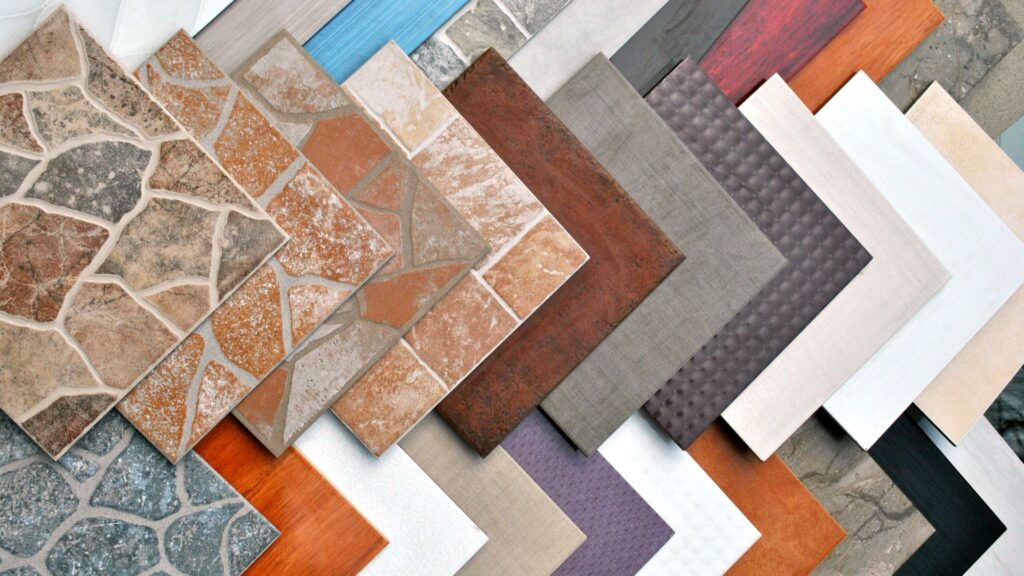
Tile is an incredibly versatile choice for a home renovation. You can utilize it in flooring, countertops, and even wall coverings or backsplashes. With a wide range of materials and shapes to choose from, tile excels at offering homeowners a variety of design options and use cases. However, each tile shape, size, and material is intended for a specific function. A tile meant for a kitchen backsplash is typically not durable enough to also serve as the kitchen floor.
This tile buying guide helps you navigate key decisions, from tile material and size to average costs, giving you the confidence to select the right tile for your upcoming project.

Types of Tile by Material
Selecting the right tile material is more than just an aesthetic choice. It affects where a tile can be safely installed, how it responds to moisture and heavy usage, and how much it costs. Understanding what separates ceramic from porcelain, or glass from metal, is a crucial first step in narrowing down your choices.
| Material | What It’s Made From | Best For | Trade-Off |
| Ceramic | Refined clay, fired, and finished with a glaze | A budget-friendly choice for backsplashes, accent walls, and light-traffic floors | High water absorption. Not suited for environments with heavy moisture exposure |
| Porcelain | Dense, fine clay, fired at a higher temperature than ceramic | Kitchen and bathroom floors, countertops, entryways, and surfaces | Higher cost per square foot than ceramic and may require specialized installation |
| Stone | Quarried marble, granite, or slate | Floors in low-moisture environments, countertops, and fireplaces | Porous and some types require sealing and periodic maintenance to resist moisture and stains |
| Glass | Tinted or clear glass, often in mosaic or small-format sheets | Backsplashes and accent walls | Fragile, not suitable for floors or other surfaces that take impact or foot traffic |
| Metal | Stainless steel, copper, or aluminum | Backsplash borders, decorative inlays, and feature wall accents | Limited to decorative or accent applications. Susceptible to scratching and denting on surfaces that see regular contact or heavy use |
How Much Does Tile Cost?
Tile is priced by the square foot and varies depending on material type, size, and finish. Tile pricing has a much wider range than that of any other surface because each material type has its own manufacturing process. The low end of the material cost range is roughly $5 to $15 per square foot for ceramic or porcelain tiles, but it can reach up to $40 per square foot for glass or metal tiles.
Installation costs, which typically include the tile, setting materials (like grout and caulk), and labor, often range from $10 to $35 per square foot. Removal of an existing surface and trim pieces may or may not be included in the installation quote, so it’s important to verify this when getting an estimate, as tile removal fees can significantly increase the overall project cost.
The table below shows the average cost of each tile material type per square foot.
| Material | Average Cost per Square Foot |
| Ceramic | $5 to $30 |
| Porcelain | $4 to $45 |
| Metal | $10 to $40 |
| Stone | $15 to $35 |
| Glass | $10 to $40 |
When searching for the most cost-effective option, three key factors determine where a tile lands on the pricing scale: the material, size, shape, and the PEI rating.
Material
Material is the biggest driver of tile cost. Ceramic tile sits at the lower end of the range because it uses refined clay and a relatively straightforward firing process. Porcelain tile costs more than ceramic because it requires denser clay, higher firing temperatures, and more energy to produce. Natural stone tile carries the cost of quarrying, cutting, and finishing a natural material, which is why two slabs of the same stone type can vary significantly in price depending on the source. Glass and metal tile sit at the top of the range because both require specialized manufacturing processes and are typically used in smaller formats or as accent pieces.
Size and Shape
Larger tiles generally cost more per piece but can reduce installation labor and waste in straightforward layouts. Smaller tiles like mosaics involve more pieces, more grout lines, and more cutting, which increases both material handling and installation time. Specialty shapes like hexagons, octagons, and herringbone patterns require more cuts at room edges and corners, which adds to labor costs even when the tile itself is similarly priced to a standard square or rectangle.
PEI Rating
The PEI rating affects cost because higher-rated tiles use denser materials and more rigorous manufacturing processes to meet durability standards. A PEI 3 or 4 porcelain tile is more expensive to produce than a PEI 1 wall tile because the body of the tile is denser and the glaze is engineered to withstand abrasion. For residential projects, paying for a higher PEI rating only makes sense when the tile is going on a floor that needs it. Wall tile and floor tile are not always interchangeable, so matching the PEI rating to the application is part of the cost decision.
What Is a PEI Rating?
Established by the Porcelain Enamel Institute, the PEI rating measures how well a glazed tile’s surface resists abrasion and wear. It applies exclusively to ceramic and porcelain tiles and is graded on a scale from 0 to 5. The PEI rating is the most direct indicator of where a ceramic or porcelain tile can be installed.
- PEI 0 to 1: These tiles are intended for walls, such as backsplashes, shower walls, or decorative accents. They cannot withstand any foot traffic.
- PEI 2: Bathroom floors and other lower-traffic rooms are suitable for PEI 2-rated tiles. They can also be used for wall applications, like PEI 0- to 1-rated tiles. However, they are not designed to withstand high-traffic areas.
- PEI 3: Tiles with a rating of PEI 3 are the most widely used for residential floors and can tolerate high-traffic areas like kitchens, hallways, and living rooms.
- PEI 4: PEI 4-rated tiles are durable enough to withstand heavy foot traffic in residential spaces; they can also be used in commercial spaces with light foot traffic, like boutiques or office spaces.
- PEI 5: The most durable PEI-rated option, PEI 5-rated tiles are commonly used in commercial spaces like shopping malls, airports, or grocery stores. It is uncommon for PEI 5-rated tiles to be installed for residential use.
Tile Styling Options
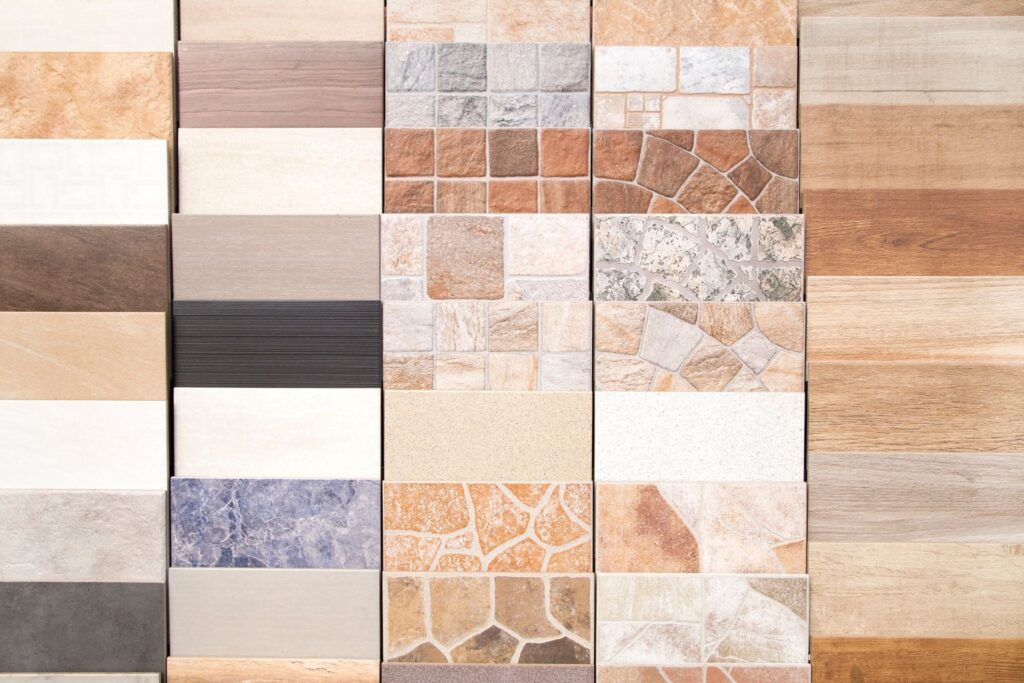
Tile is a standout option for those who want to give their space a unique style or design. From the size of the tile to the shape, each format has its own benefits and drawbacks. Small tile designs like mosaic tiles, for example, typically cost more per square foot due to the number of pieces and grout lines involved. Larger tile designs, like square tiles, cover more ground per piece, but require a smooth and level surface before installation.
| Format | Best For | Trade-Off |
| Mosaic | Backsplashes, accent walls, shower floors | Higher maintenance due to the amount of grout lines, which trap moisture, soap scum, and grime |
| Square | Floors, walls, and countertops | Floors and walls must be properly leveled before installation, or they will result in an uneven appearance |
| Rectangle | Shower walls, backsplashes, and flooring. | Higher risk of uneven edges due to varying lengths and widths |
| Linear | High-traffic floors that have a wood-like look | Like square tiles, floors must be properly leveled before installation, which can result in increased labor costs |
| Hexagon / Octagon | Bathroom floors, accent walls, entryways | Increased installation costs due to complex pattern formation |
| Herringbone | Entryways, kitchens, bathroom floors | The angled formation requires more cuts, leading to higher labor and installation costs than a straight or offset pattern |
How to Select the Right Tile For Your Home
The right tile is different for every home and surface. Where it’s going, how the space is used, and the overall aesthetic you’re trying to achieve are just some of the factors to consider when finding the right fit for your home.
- Finish. Glossy tile reflects light and can help brighten up a dark kitchen or bathroom, but the reflective surface can also show water spots, fingerprints, and smudging, requiring more regular upkeep. Matte and textured finishes are more forgiving in high-traffic areas and require lower maintenance.
- Grout color. Grout that closely matches the tile creates a seamless look that keeps the focus on the material. Contrasting grout highlights the layout and pattern of the tile, but can make staining or dirt build-up more visible over time.
- Scale. Large-format tile has fewer grout lines, which creates a more open, seamless look and can make smaller spaces feel larger. Small tile and mosaic formats can add more depth and complement the overall appearance of a room.
- Texture. A smooth tile surface is easier to clean but can be slippery underfoot when wet, which is important to consider if you’re selecting tile for a space like a bathroom shower. Textured tile provides more grip and is a practical choice for bathroom floors and other wet areas, but the surface variation can make it difficult to clean.
What to Consider Before Installing Tile
Whether you’re tiling a backsplash, countertop, or an entire floor, tile installation moves faster and more smoothly when important details are sorted out before the project starts. Here are the most common questions that you can expect to answer.
| Consideration | What to Know |
| What’s currently on the counter or in the surrounding area? | Existing countertop material, cabinet color, and fixture finishes are worth considering when narrowing down tile options. From there, you can decide if you want a tile that contrasts with those elements or complements them. |
| Where are the outlets, and how high are they? | Outlet height and placement affect tile layout, especially around a backsplash. Confirm whether outlets need to be moved or raised before the tile is ordered. |
| Sanded, non-sanded, or epoxy grout? | Sanded grout suits joints wider than an eighth of an inch. Non-sanded grout suits narrower joints or polished surfaces that would be scratched by sanded grout. Epoxy grout has a higher price point, but it has better resistance to stains and moisture. |
| Will caulking need to be color-matched? | Caulk is used in corners, transitions, and changes of plane where grout would crack. Color-matching caulk to your grout keeps those transitions from standing out. |
| What’s currently on the backsplash or wall? | If you’re installing a backsplash or wall tile, removing the existing surface and assessing what is underneath can save time and labor costs. |
Ready to Find the Right Tile for Your Home?
Wherever you are in your home renovation project, the right tile for your home is much easier to find when you have samples in hand and an experienced eye guiding you through the process. Visit our showroom in Woodinville to explore our selection of porcelain, ceramic, stone, glass, and metal tile in person, or schedule a free design consultation to get expert guidance for your space.